Full Sail Stories
Published Nov 03, 2025
Meet Drew Bailey, Veteran Student Liaison
Drew Bailey helps veteran and military-connected students find the resources they need while fostering a supportive veteran community.
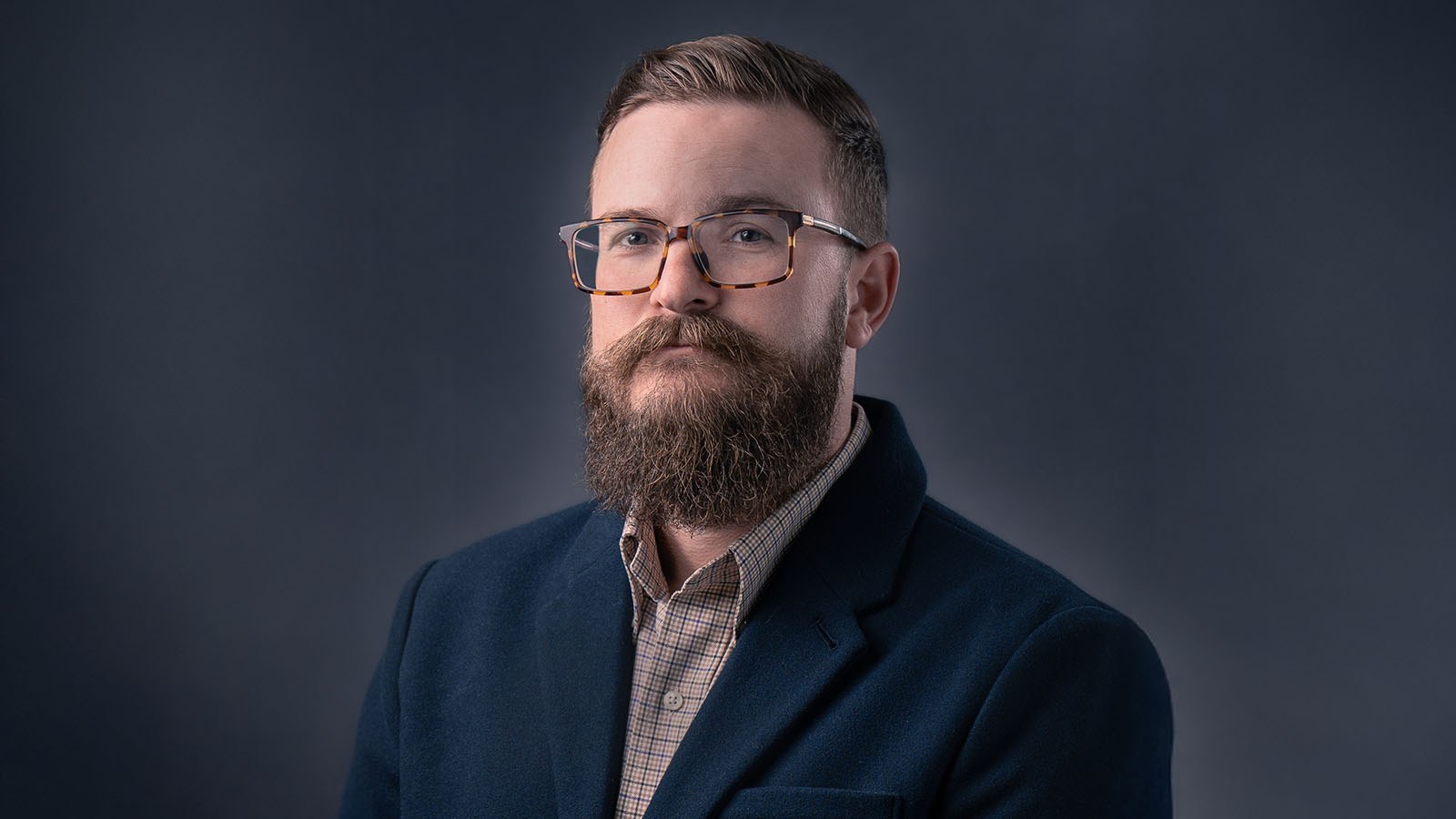
Drew Bailey spent six years in the Navy, but now he has a new mission – helping veteran and military-connected students at Full Sail. As a Veteran Student Liaison, Drew helps students navigate veteran resources both inside and outside of Full Sail. He also serves as an advisor for the Veteran Student Union, and he makes himself available for any students who just want to talk.
We sat down with Drew to find out more about his Navy career, his role at Full Sail, and what he loves most about working with veteran students.
Tell us about your time in the Navy.
Sure. I was in the Navy for six years. I joined in 2000, prior to 9/11. I was in school during 9/11 for my job in the Navy. And then shortly after that I was on a ship for four years – the USS Donald Cook, DDG-75. I did two full six-month deployments and then one three-month deployment where we were up in the Northern Baltic area.
I was a Fire Controlman the whole time I was in the Navy. Not a firefighter – people definitely mistake those two things. I worked on SPY-1D radar, and I also operated the radar on the ship.
My ship took part in Operation Iraqi Freedom. We were actually the first surface ship to launch missiles into Iraq for [that mission]. It was an experience, for sure.
I made lifelong friends in the military; we have just bonded through all of the experiences that we shared on the ship together. I spent a lot of time with these people and a lot of time away from family, so they kind of became my family. I'm still in touch with a lot of them, and my relationships with them still mean a lot. We try and look out for each other.
What do you do as a Veteran Student Liaison at Full Sail?
Inside of Full Sail, I help our students when they need any kind of support. Whether it’s getting our students in contact with Academic Advising, facilitating help for the student through an instructor, or if I can tell that a student really wants to talk to someone, say, Student Success about accommodations, I can connect them. It’s a lot of connecting people to people inside of Full Sail.
And sometimes the students just want to talk. So sometimes they just talk with me in my office, and you can just tell they want to just have some sort of connection. So that's really a fun part of my job too, that I really enjoy making those connections and talking to those students.
What are some of the other resources that you help students connect with?
The Florida Department of Veteran Affairs sends an outreach or a veteran service officer out to Full Sail’s Military Student Center two to three times a month. And they provide services basically for anything for their benefits, but specifically, they’re usually there to talk to students and help them out with their disability services.
And then usually once or twice a month, we have a VA Health Care representative come out, and they're able to sign up our veteran students at our local VA clinic or VA hospital. And that's very important for them so that they can get any kind of medical care or take care of any appointments they may need with the VA at our local facilities.
How does your work as an advisor for the Veteran Student Union help students?
I support the students, but I think the biggest thing is that we empower our students to take charge of what they're doing. So I'm there for support, but I'm in the background, and I try and be in the background as much as possible. I want the students to run the club because I believe it's their club.
For example, we are taking six students to the Student Veterans of America National Convention next year in January. They're doing fundraising for that. So I'm there to just make sure that everything works within Full Sail’s policy, Full Sail’s guidelines, that type of stuff.
How did your time in the Navy help inform what you’re doing now at Full Sail?
I don't think I could be able to do my job the same way if I wasn't [a veteran], because I just think that our student veterans and just veterans in general, we have a connection to where we trust each other, where we have a camaraderie that we all kind of learned in the military. It’s just much easier for a veteran to talk to another veteran, because we get it. We understand what we've all been through. We understand, regardless of branch, that we've done something very similar and overcome similar obstacles. It makes it easier for us to talk and be open and be honest.
What’s your favorite part of working with our military students?
I get to help my peers. I'm helping my brothers and sisters that I served with, so that's a good thing for me… Just having that camaraderie and just being there for [our veteran and military-connected students] and supporting them and just knowing that I can help them is absolutely my favorite part.